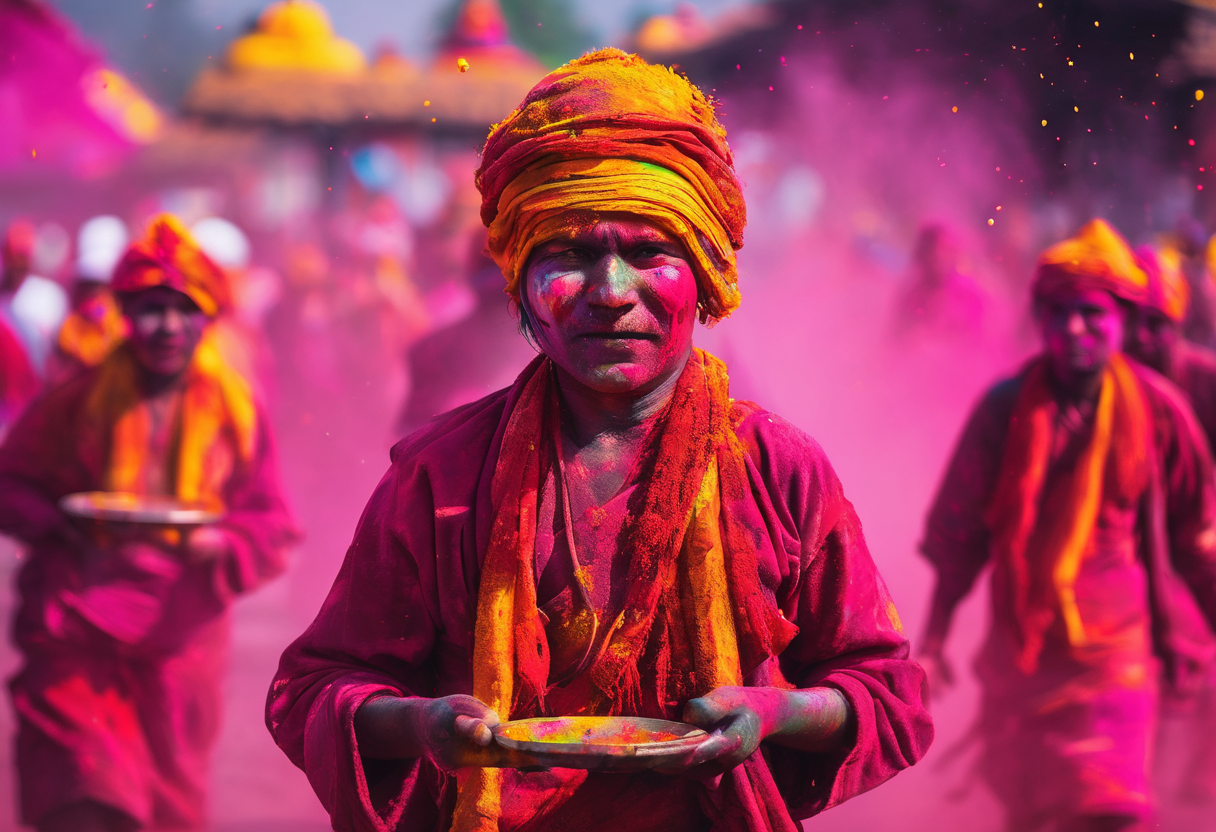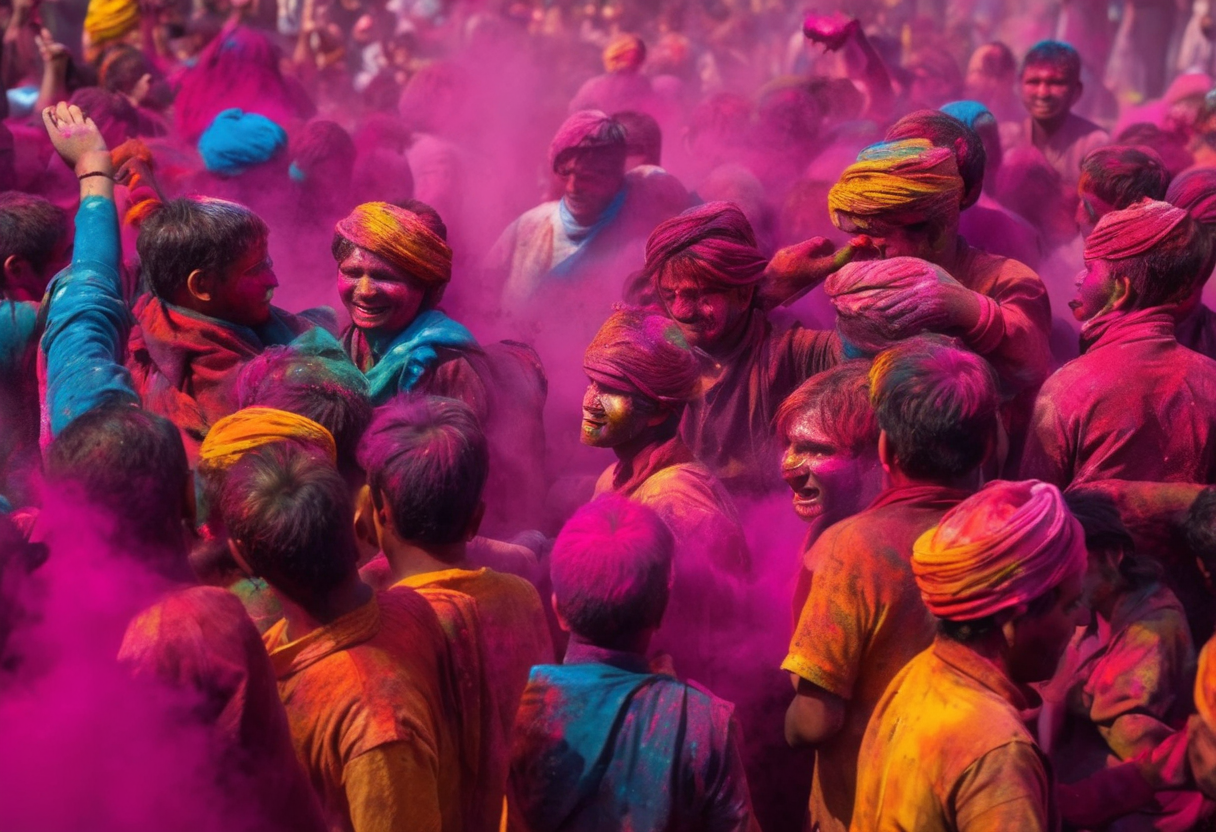
Holi, also known as the Festival of Colors, is a vibrant and joyous celebration that is observed by Hindus and non-Hindus alike in Nepal. This ancient spring festival has a rich history and cultural significance that dates back thousands of years. It is a time for people to come together, let go of their inhibitions, and celebrate the triumph of good over evil.
According to Hindu mythology, Holi commemorates the burning of the demon Holika by Lord Vishnu. This victory symbolizes the triumph of good over evil and the arrival of spring, a season of new beginnings. In Nepal, Holi is a two-day festival that begins with a ritualistic bonfire on the first day, known as Chhoti Holi. The second day, or Rangwali Holi, is when the streets and people come alive with vibrant colors. Families and friends gather to play with colored powders and water, and enjoy traditional sweets and delicacies. It is a time for people to let go of any past grudges and start afresh with love and forgiveness.Holi is not just a festival of colors, but also a celebration of cultural diversity and unity. In Nepal, it is a melting pot of people from different ethnicities, religions, and backgrounds coming together to celebrate the beauty of life and love. The streets are filled with music, laughter, and dancing, creating a lively and festive atmosphere. It is also a festival that promotes eco-friendliness and social harmony, as people use natural and organic colors, and everyone is equal, regardless of their social status.In recent years, Holi has also become a major tourist attraction in Nepal, with people from all over the world coming to experience the vibrant and unique celebration. It is a cultural experience that cannot be missed, as it showcases the beauty and diversity of Nepal’s rich heritage. So, if you ever find yourself in Nepal during the spring season, be sure to join in the festivities and witness the magic of Holi for yourself.